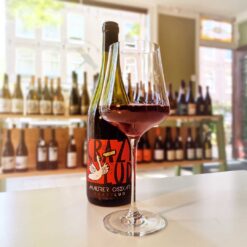


Muller-Koeberlé – NAT 327


€21,50
name: Muller-Koeberlé – Nat 327
style: Pétillant Naturel (Pet Nat)
grape variety: PIWI
serving temperature: 8℃
alcohol percentage: 12%
short tasting note: strawberries and the zesty snap of blood orange.
content: 750ml
Vin Méthode Nature, Organic, Biodynamic
France, Alsace
Domaine Muller-Koeberlé — A Leap into the Future of Fizz
The Wine of Tomorrow, Today
In Alsace, David Koeberlé is treating pét-nat with the rigor usually reserved for fine sparkling wine. While the pét-nat category is often boxed into a corner of rustic, easy-drinking summer fizz, this cuvée is a seriously well-crafted and delicious ride.
The wine is built on a daring foundation of 50 different PIWI varieties, all interplanted in a single field and cultivated through David’s complex agroecological and agroforestry methods.
PIWIs are fungus-resistant grapes created through traditional, manual crossbreeding.
Absolutely no genetic modification.
While even organic and biodynamic vineyards rely on frequent spraying of natural fungicides like copper and sulfur to fight mildew, PIWI varieties drastically change the dynamic of sustainable viticulture. It is proof that radical biodiversity can coexist with winemaking precision:
- Fewer treatments: They require up to 80% fewer fungicide sprays compared to traditional grapes.
- Lower carbon footprint: Fewer tractor passes result in less soil compaction and significantly reduced fuel consumption.
- Healthier soils: Eliminating copper buildup protects the vital microbial life, groundwater, and fungal networks beneath the surface.
This wine shatters every lazy stereotype about natural sparkling wines tasting like simple yeasty cider or funky kombucha.
Instantly captivating and bright, it is led by a vibrant core of fresh strawberries and the zesty snap of blood orange, all anchored by a cooling whisper of nettle in the background.
Thanks to a masterclass in timing the méthode ancestrale, the bubbles are fine, creamy, and deeply integrated into the structure of the wine.
Bone-dry, it drives forward on bright acidity and a profound, stony mineral core that channels a genuine sense of Alsatian terroir. It finishes with a long, cleansing, mouth-watering cadence that refuses to quit.
A Reflection of Climate & Terroir Because many PIWI varieties naturally cope better with heat stress, drought, and extreme weather, they offer a true glimpse into the future of sustainable winemaking. As David puts it, this free-spirited sparkler is a reflection of a changing climate met with the unyielding strength of life itself. It serves as a sharp reminder that natural winemaking isn’t about abandoning the wine to chance; it’s about listening so closely to the vineyard and the cellar that an experimental, multi-variety blend can speak with absolute clarity.
PIWI is a German abbreviation for Pilzwiderstandsfähige Rebsorten, which translates to fungus-resistant grape varieties.
These are modern crossbreeds developed specifically to withstand common vine diseases—primarily powdery mildew (Oidium) and downy mildew (Peronospora)—which typically devastate traditional European grapevines.
PIWI grapes are created through traditional, manual crossbreeding, not genetic modification. Breeders take standard European wine grapes (Vitis vinifera), which offer high wine quality but low disease resistance, and cross them with American or Asian wild grape species that have naturally evolved resistance to fungal threats.
The process takes decades of careful back-crossing. The ultimate goal is to produce a grape that is roughly 85% to 95% Vitis vinifera (retaining the classic aromas, structure, and flavor profile of traditional wine) and 5% to 15% wild species (retaining the robust disease resistance).
Traditional vineyards—even strict organic and biodynamic ones—often require frequent spraying of natural fungicides like copper and sulfur to fight off mildew, especially in wet vintages. PIWI varieties drastically change this dynamic:
- Fewer treatments: PIWI vineyards require up to 80% fewer fungicide sprays compared to traditional grapes.
- Lower carbon footprint: Fewer tractor passes to spray the vines means less soil compaction and significantly reduced fuel consumption.
- Healthier soils: Less copper buildup in the vineyard soil protects local microbial life and groundwater.
While still a niche in the global wine market, PIWIs are gaining major traction in cooler, wetter European climates where fungal pressure is highest.
- White varieties: Solaris, Johanniter, Souvignier Gris, Cabernet Blanc, Muscaris, and Bronner.
- Red varieties: Regent, Cabernet Cortis, Rondo, and Pinotin.
Because they naturally require so little intervention in the vineyard, PIWI grapes are becoming increasingly popular among winemakers who want to push the boundaries of zero-spray, deeply sustainable farming.
Food Pairings
Artisanal Goat Cheeses: Fresh chèvre or a young, creamy goat Gouda. The bright acidity and nettle notes in the wine slice right through the rich, lactic creaminess of the cheese.
Citrus-Cured Seafood: Sea bass crudo, scallop ceviche, or fresh oysters finished with a grapefruit mignonette. The raw seafood perfectly mirrors the zesty blood orange snap.
Pizza Bianca: A crisp pizza bianca topped with ricotta, lemon zest, and fresh arugula. The fine, creamy bubbles cleanse the palate beautifully between rich, doughy bites.
Fried & Salty Crunch: Fritto misto, tempura vegetables, or high-quality salty fries. The bone-dry, stony mineral core acts as the ultimate palate cleanser for crispy, savory textures.
Vibrant Asian Herbs: Vietnamese summer rolls packed with fresh mint, cilantro, and shrimp. The fresh, green herbal elements play seamlessly with the wine’s cooling nettle background.
Related products